If you’ve ever experienced the sharp, stabbing pain of plantar fasciitis with your first steps in the morning, you know how debilitating this condition can be. This comprehensive guide will show you how walking—when done correctly—can become your most powerful tool for recovery.

Plantar fasciitis affects millions of people worldwide, causing inflammation of the thick band of tissue that runs across the bottom of your foot. While it might seem counterintuitive, strategic walking can actually accelerate healing and restore your mobility faster than complete rest alone.
🦶 Understanding Plantar Fasciitis Before You Step Forward
Before diving into the walking plan, it’s essential to understand what’s happening inside your foot. The plantar fascia is a ligament-like structure that supports your arch and absorbs shock during movement. When this tissue becomes inflamed or develops micro-tears, every step becomes a painful reminder of the injury.
Common causes include overuse, improper footwear, sudden weight gain, tight calf muscles, and biomechanical issues like flat feet or high arches. The hallmark symptom is intense heel pain that’s typically worst in the morning or after prolonged sitting.
The inflammatory process can become chronic if not addressed properly. This is where a structured walking plan becomes crucial—it promotes blood flow, strengthens supporting muscles, and gradually restores normal foot function without aggravating the condition.
Why Walking Works: The Science Behind Movement-Based Recovery
Walking serves multiple therapeutic purposes for plantar fasciitis recovery. First, it maintains flexibility in the plantar fascia and surrounding structures, preventing the tissue from becoming too stiff. Second, gentle movement stimulates circulation, bringing oxygen and nutrients to the damaged area while removing inflammatory byproducts.
Research shows that controlled, progressive loading of the plantar fascia actually promotes tissue remodeling. This means that appropriate walking helps your body reorganize collagen fibers in a stronger, more resilient pattern. Complete rest, on the other hand, can lead to weakness and increased re-injury risk.
Additionally, walking strengthens the intrinsic muscles of the foot and the posterior chain muscles (calves, hamstrings, and glutes) that support proper gait mechanics. This creates a foundation for long-term foot health beyond just symptom relief.
📋 The Four-Phase Walking Plan for Plantar Fasciitis Recovery
This progressive plan is designed to take you from acute pain to full recovery over approximately 8-12 weeks, though individual timelines vary. Listen to your body and don’t rush through phases if you’re still experiencing significant discomfort.
Phase 1: Gentle Reintroduction (Weeks 1-2)
During the initial phase, your goal is simply to maintain basic mobility without aggravating inflammation. Walk for just 5-10 minutes at a time, 2-3 times daily. Choose flat, even surfaces like indoor tracks or smooth sidewalks.
Your pace should be deliberately slow—think leisurely stroll rather than purposeful walk. Pain should never exceed 3 out of 10 on a subjective pain scale. If you experience sharp pain, stop immediately and ice the area.
Key focus points include maintaining good posture, landing with a midfoot strike rather than heel-striking hard, and wearing supportive shoes with adequate cushioning. Avoid walking barefoot or in flip-flops during this phase.
Phase 2: Building Duration (Weeks 3-5)
As initial inflammation subsides, gradually increase walking duration by 2-3 minutes each week. By the end of this phase, you should comfortably manage 20-25 minute continuous walks.
Introduce very gentle hills or inclines, but avoid steep grades. The slight variations in terrain begin challenging your foot muscles in different ways, promoting functional strength. Continue prioritizing proper form over speed or distance.
This is an excellent time to begin tracking your walks with a fitness app that monitors distance, pace, and duration. Having objective data helps you progress systematically without doing too much too soon.
Phase 3: Increasing Intensity (Weeks 6-9)
With a solid foundation established, you can now increase both duration and pace. Work toward 30-40 minute walks at a moderate pace where you can still hold a conversation comfortably.
Introduce varied terrain including grass, packed dirt trails, and gentle hills. This diversity challenges your foot’s stabilizing muscles and improves proprioception (your body’s sense of position in space).
Consider adding interval work: alternate between your normal pace and a slightly brisker pace every few minutes. This begins preparing your foot for the varied demands of normal daily activities and recreational pursuits.
Phase 4: Return to Normal Activity (Weeks 10-12+)
The final phase focuses on transitioning back to your pre-injury activity levels. Walk for 45-60 minutes at normal speeds, incorporating hills, stairs, and uneven surfaces without hesitation.
You can begin adding light jogging intervals if running was part of your previous routine, but do so conservatively. Start with just 30-60 seconds of jogging alternated with several minutes of walking, and build gradually over weeks.
At this stage, you should experience minimal to no pain during or after walks. Some mild stiffness is normal, but sharp or lingering pain indicates you need to scale back slightly.
⚡ Essential Pre-Walk Preparation Rituals
What you do before stepping out the door significantly impacts your walking experience and recovery trajectory. Never skip these preparation steps, especially in the early recovery phases.
Begin with gentle ankle circles—10 rotations in each direction—to warm up the joint and surrounding soft tissues. Follow with calf stretches: face a wall, step one foot back, keep the heel down, and lean forward until you feel a gentle stretch. Hold for 30 seconds on each side.
The plantar fascia stretch is crucial: sit with one ankle crossed over the opposite knee, grasp your toes, and gently pull them toward your shin until you feel stretching along the bottom of your foot. Hold for 30 seconds, repeat three times per foot.
Consider using a foam roller or massage ball on your calves before walking. Tight calf muscles directly increase tension on the plantar fascia, so releasing this tightness provides immediate relief and better walking mechanics.
🥾 Footwear: Your Foundation for Pain-Free Walking
The shoes you choose can make or break your recovery. Proper footwear isn’t negotiable when dealing with plantar fasciitis—it’s an essential component of your treatment plan.
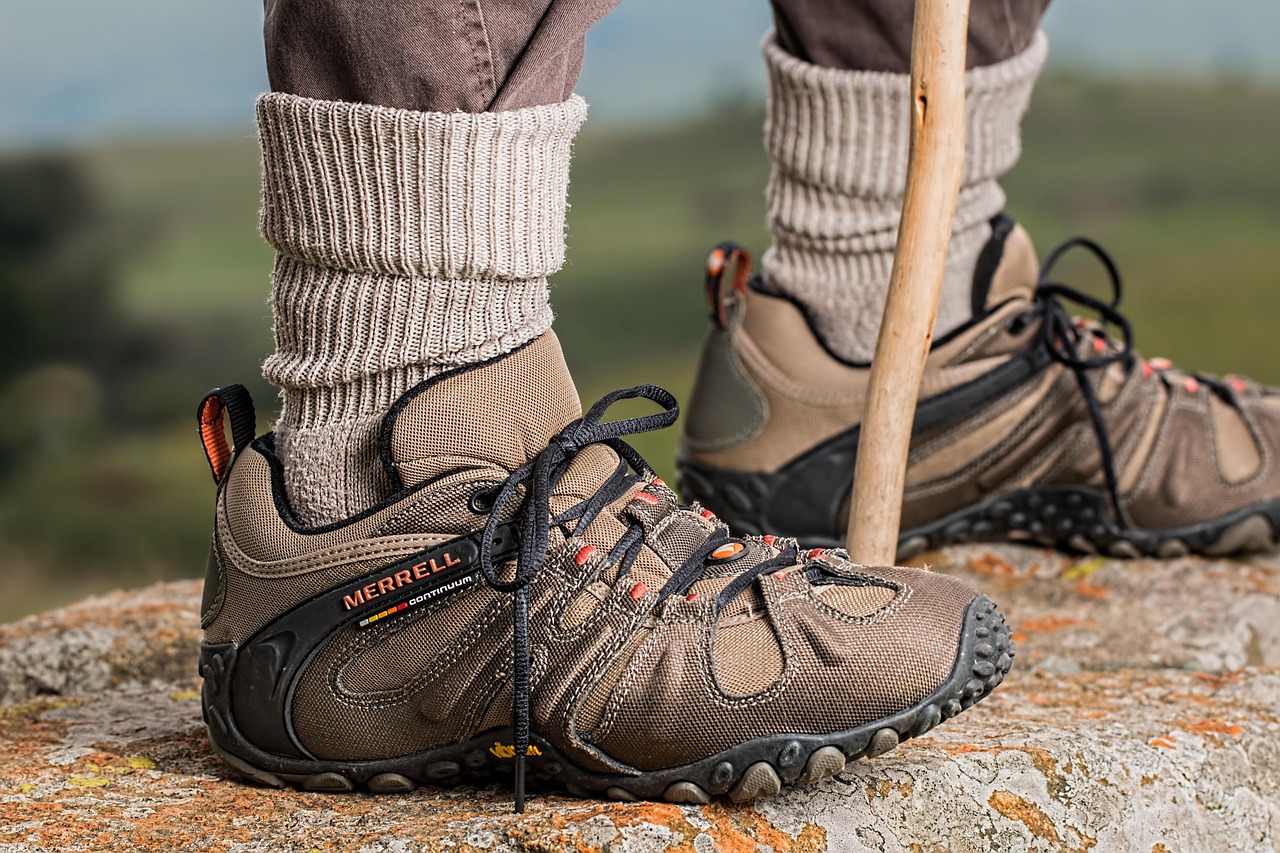
Look for shoes with substantial arch support, cushioned heels, and rigid midsoles that prevent excessive twisting. The heel counter (back of the shoe) should be firm to stabilize your foot during the gait cycle.
Replace your walking shoes every 300-500 miles or when you notice the cushioning has compressed significantly. Worn-out shoes lose their supportive properties and can actually contribute to plantar fasciitis flare-ups.
Many people benefit from over-the-counter or custom orthotic inserts that provide additional arch support and cushioning. These inserts should fit comfortably in your shoes without creating pressure points or making the shoes too tight.
Post-Walk Recovery Strategies That Accelerate Healing
Your recovery work doesn’t end when your walk does. The immediate post-walk period is prime time for interventions that reduce inflammation and promote tissue healing.
Ice massage is highly effective: freeze a water bottle, then roll it under your foot for 10-15 minutes. The combination of cold therapy and gentle massage reduces inflammation while maintaining tissue flexibility.
Elevate your feet for 15-20 minutes after longer walks. This uses gravity to reduce fluid accumulation in the tissues and speeds the removal of inflammatory chemicals from the area.
Perform gentle stretches for your calves, hamstrings, and plantar fascia while muscles are still warm. Post-walk stretching is generally more effective than pre-walk stretching for improving long-term flexibility.
💪 Complementary Exercises to Supercharge Your Recovery
While walking forms the core of this recovery plan, specific strengthening exercises amplify your results and reduce recurrence risk. Incorporate these exercises 3-4 times weekly on non-consecutive days.
Towel scrunches strengthen the intrinsic foot muscles: place a towel on the floor and use your toes to scrunch it toward you. Perform 3 sets of 10 repetitions per foot. This simple exercise significantly improves arch support from within.
Calf raises build strength in the gastrocnemius and soleus muscles that directly support the plantar fascia. Stand on a step with your heels hanging off, lower down slowly, then raise up onto your toes. Perform 3 sets of 15 repetitions.
Toe yoga improves motor control: practice lifting just your big toe while keeping other toes down, then lift all small toes while keeping the big toe down. This enhances neuromuscular coordination throughout your foot.
🚫 Critical Mistakes That Sabotage Recovery
Many well-intentioned people unknowingly undermine their healing by making these common errors. Avoiding these pitfalls can shave weeks off your recovery timeline.
The “weekend warrior” approach—doing too much after being sedentary all week—is particularly harmful. Consistency matters more than intensity. Several short walks throughout the week beat one long walk that leaves you limping for days.
Ignoring pain signals is dangerous. Discomfort that exceeds 3-4 out of 10 during activity, or pain that worsens with each step, indicates you’re doing too much. Respect these warnings and scale back immediately.
Walking barefoot, even at home, removes the support your healing fascia needs. Wear supportive sandals or slippers indoors, especially first thing in the morning when the plantar fascia is most vulnerable.
Skipping rest days prevents adaptation. Your body actually becomes stronger during recovery periods between workouts, not during the workouts themselves. Build in at least one full rest day weekly.
Nutrition and Lifestyle Factors That Influence Healing
Recovery happens from the inside out. What you eat and how you live significantly impact inflammation levels and tissue repair rates.
Anti-inflammatory foods should dominate your diet: fatty fish rich in omega-3s, colorful fruits and vegetables, nuts, seeds, and olive oil. These foods provide the building blocks for tissue repair while naturally reducing inflammation.
Adequate hydration is essential for maintaining tissue elasticity. The fascia is largely composed of collagen fibers embedded in a gel-like ground substance that requires water to maintain proper consistency. Aim for half your body weight in ounces daily.
Body weight management deserves honest attention. Excess weight increases the mechanical load on your plantar fascia with every step. Even modest weight loss (5-10 pounds) can significantly reduce symptoms and accelerate recovery.
Sleep quality directly affects inflammation levels and tissue healing rates. Prioritize 7-9 hours of quality sleep nightly. Consider a night splint that keeps your foot in a gently dorsiflexed position, preventing the plantar fascia from tightening overnight.
🎯 When to Seek Professional Help
While this walking plan helps many people recover independently, certain situations warrant professional evaluation and treatment. Don’t hesitate to consult a healthcare provider if warning signs appear.
Severe pain that doesn’t improve after 2-3 weeks of conservative treatment suggests you may need additional interventions like physical therapy, custom orthotics, or medical procedures.
Sudden increases in pain, swelling, redness, or warmth could indicate complications like stress fractures, nerve entrapment, or infection. These require immediate professional assessment.
Bilateral symptoms (both feet affected simultaneously) may point to systemic conditions like rheumatoid arthritis or other inflammatory diseases that need different treatment approaches than mechanical plantar fasciitis.
Long-Term Foot Health Beyond Recovery
Successfully completing this walking plan is just the beginning. Maintaining foot health requires ongoing attention to the factors that caused plantar fasciitis in the first place.
Continue performing strengthening and stretching exercises 2-3 times weekly even after symptoms resolve. This maintains the muscular support and flexibility that protect against recurrence.
Rotate between multiple pairs of supportive shoes to vary the stress patterns on your feet. Even excellent shoes should be alternated rather than worn every single day.
Address biomechanical issues through gait analysis if you’re prone to recurrent foot problems. Sometimes small adjustments to walking patterns or targeted strengthening of weak muscle groups prevents future episodes.
Your Journey to Pain-Free Walking Starts Today
Plantar fasciitis can feel overwhelming, but this structured walking plan offers a clear path forward. By progressing systematically through the four phases, supporting your walks with proper preparation and recovery techniques, and addressing underlying factors, you can reclaim pain-free mobility.
Remember that recovery isn’t always linear—you may experience occasional setbacks or plateaus. These are normal parts of the healing process, not signs of failure. Adjust your plan as needed, listen to your body’s signals, and celebrate small victories along the way.
The foot that causes you pain today can become stronger and more resilient than before your injury. With patience, consistency, and the right approach, you’ll not only recover from plantar fasciitis but also develop habits that support lifelong foot health and active living. Take that first step today—your feet will thank you for it.