In today’s fast-paced world, stress has become an unwelcome companion for millions of people. The constant demands of work, family, and digital connectivity leave little room for genuine relaxation and mental clarity.

Walking meditation combined with intentional breathing offers a powerful antidote to modern anxiety. This ancient practice, now supported by contemporary science, provides an accessible path toward inner peace without requiring expensive equipment or specialized training. By synchronizing your breath with your steps, you create a moving meditation that calms the nervous system while strengthening your body.
🌿 The Science Behind Breathing-Focused Walking
When you combine conscious breathing with rhythmic walking, you activate your parasympathetic nervous system—the body’s natural relaxation response. Research published in the Journal of Physiological Anthropology demonstrates that walking in nature while practicing controlled breathing significantly reduces cortisol levels, the primary stress hormone circulating through your bloodstream.
The rhythmic nature of walking provides a natural metronome for your breath. This synchronization creates what neuroscientists call “entrainment,” where different biological rhythms align to produce a state of coherence. Your heart rate, breathing pattern, and brainwave activity begin working in harmony, resulting in profound feelings of calm and centeredness.
Studies from Stanford University reveal that walking meditation activates the prefrontal cortex while simultaneously quieting the amygdala—the brain’s fear and anxiety center. This neurological shift explains why practitioners report feeling both more focused and more relaxed after breathing-focused walking sessions.
🚶 Creating Your Personal Walking Meditation Practice
Establishing a breathing-focused walking routine doesn’t require marathon distances or athletic prowess. Start with just ten minutes daily, gradually extending as the practice becomes more natural. The key lies in consistency rather than duration, building a sustainable habit that fits seamlessly into your existing lifestyle.
Choosing Your Walking Environment
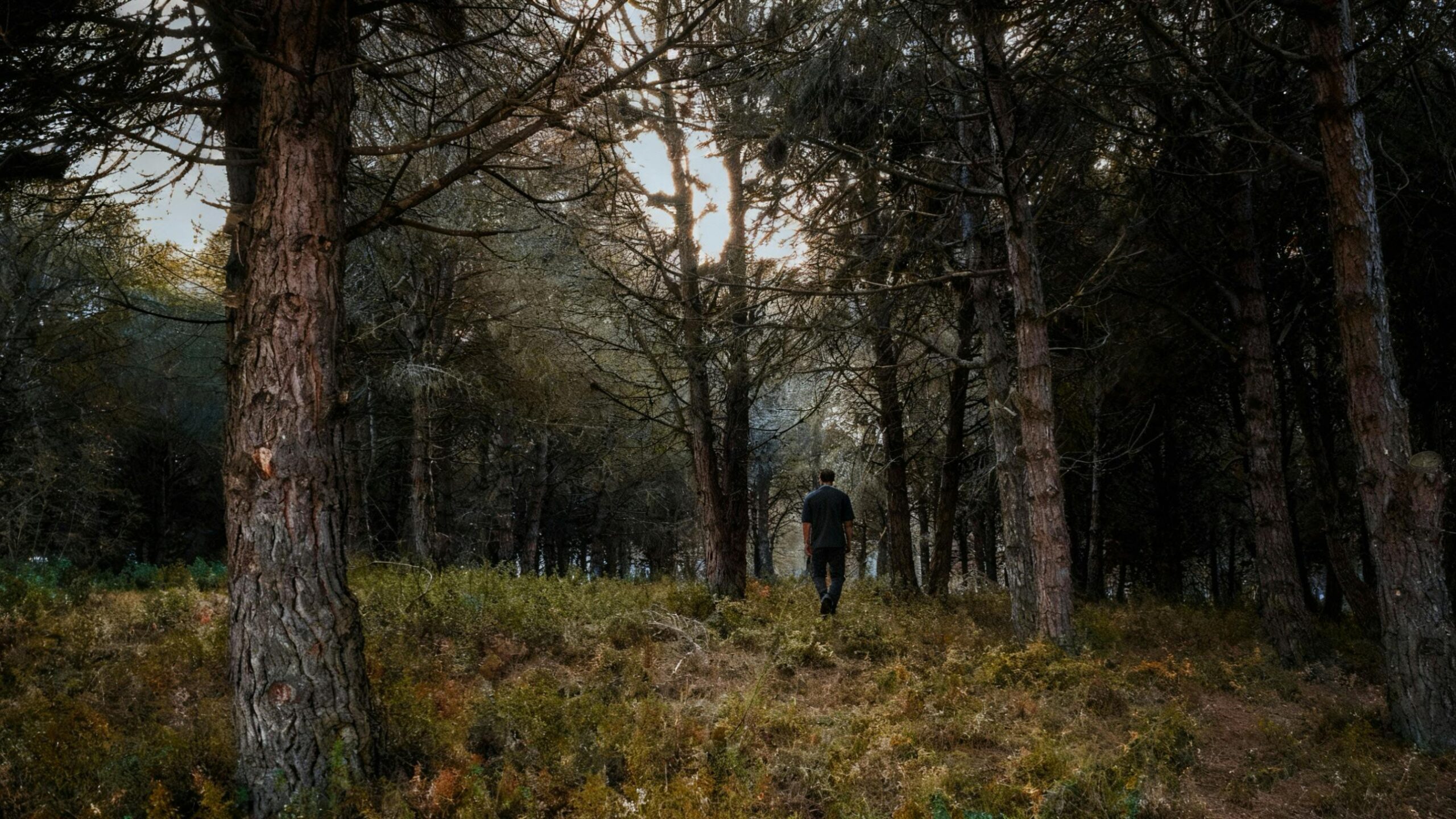
Your environment significantly impacts the quality of your practice. Natural settings like parks, beaches, or forest trails offer the added benefit of “forest bathing”—a Japanese practice called shinrin-yoku that research shows independently reduces stress markers. However, urban environments can work equally well when approached with the right mindset.
Consider these factors when selecting your walking location:
- Minimal traffic noise and distractions
- Relatively flat terrain for beginners
- Safe, well-maintained pathways
- Access to natural elements when possible (trees, water, open sky)
- Comfortable distance from your starting point
The Foundation: Establishing Your Breathing Pattern
Before you begin walking, spend two minutes standing still to establish your breathing rhythm. Place one hand on your chest and another on your abdomen. Practice diaphragmatic breathing, where your belly expands on the inhale and contracts on the exhale, while your chest remains relatively still.
The most accessible breathing pattern for walking meditation follows a 4-4-4 rhythm: inhale for four steps, hold for four steps, exhale for four steps. This balanced pattern creates equilibrium in your nervous system, neither over-stimulating nor under-energizing your body.
💫 Progressive Walking Meditation Plans
Different breathing patterns produce distinct physiological and psychological effects. Understanding these variations allows you to customize your practice based on your current needs—whether you seek energization, deep relaxation, or balanced calm.
The Beginner’s Balance Plan (Weeks 1-2)
Start with the foundational 4-4-4 pattern described above. Walk at a comfortable, natural pace on familiar terrain. Focus solely on counting your steps and maintaining the breathing rhythm. When your mind wanders—and it will—gently return attention to the breath-step connection without self-judgment.
Practice for 10-15 minutes daily, preferably at the same time each day to establish a habit loop. Morning walks set a calm tone for the entire day, while evening sessions help decompress accumulated stress.
The Energizing Pattern (Weeks 3-4)
Once the basic pattern feels natural, experiment with an energizing variation: inhale for four steps, hold for two steps, exhale for four steps. This modified pattern increases oxygen intake while maintaining controlled release, gently stimulating your system without triggering stress responses.
This pattern proves particularly valuable during afternoon energy slumps or before activities requiring focus and alertness. The slightly increased oxygen delivery enhances mental clarity and physical vitality.
The Deep Relaxation Protocol (Weeks 5-6)
For maximum stress relief, adopt a 4-2-6 breathing pattern: inhale for four steps, hold for two, exhale for six steps. The extended exhale activates your vagus nerve—a major relaxation pathway connecting your brain to your heart, lungs, and digestive system.
This pattern works exceptionally well after stressful events, before important meetings, or whenever anxiety feels overwhelming. The longer exhale literally signals your brain that you’re safe, triggering a cascade of calming neurotransmitters.
Advanced Integration (Weeks 7+)
With established foundations, begin varying your patterns intuitively based on real-time needs. Start walks with the balanced 4-4-4 pattern, transition to the energizing variation midway, and conclude with deep relaxation breathing. This progression creates a complete stress-management session within a single walk.
🧘 Mindfulness Elements That Enhance Your Practice
Breathing-focused walking becomes exponentially more powerful when combined with additional mindfulness techniques. These elements deepen your present-moment awareness and amplify stress-reduction benefits.
Sensory Anchoring
Beyond breath and steps, consciously notice sensory experiences: the temperature of air against your skin, sounds near and distant, the texture of ground beneath your feet, colors and shapes in your visual field. This multi-sensory awareness anchors you firmly in the present moment, leaving no mental space for rumination about past or future concerns.
Body Scanning While Walking
Every few minutes, conduct a brief mental scan from head to toe. Notice areas of tension—typically shoulders, jaw, and forehead—and consciously release that tightness with your next exhale. This practice prevents stress from accumulating in muscle tissue and increases body awareness.
Gratitude Integration
Research from the Greater Good Science Center at UC Berkeley shows that gratitude practices significantly reduce stress while increasing overall well-being. During your walks, dedicate a few minutes to mentally listing things you appreciate, synchronizing one gratitude acknowledgment with each breathing cycle.
📊 Tracking Progress and Measuring Benefits
Monitoring your practice helps maintain motivation and reveals patterns about what works best for your unique physiology. Consider tracking these variables:
| Metric | How to Measure | Frequency |
|---|---|---|
| Resting Heart Rate | Measure upon waking before rising | Weekly |
| Perceived Stress Level | Rate 1-10 before and after walks | Each session |
| Sleep Quality | Rate 1-10 each morning | Daily |
| Mood State | Brief journal entry | After walks |
| Practice Duration | Simple time tracking | Each session |
Most practitioners notice subjective improvements within one week—better sleep, reduced irritability, increased patience. Objective measures like resting heart rate typically improve within 4-6 weeks of consistent practice.
🌟 Overcoming Common Challenges
Like any worthwhile practice, breathing-focused walking presents obstacles, especially during the initial weeks. Anticipating these challenges and preparing responses increases your likelihood of long-term success.
The Wandering Mind Problem
Your attention will drift—constantly at first. Rather than viewing this as failure, recognize that noticing your mind has wandered and gently redirecting attention is the actual practice. Each redirection strengthens your attention muscles like repetitions at the gym strengthen physical muscles.
Weather and Scheduling Barriers
Commit to your practice regardless of weather conditions. Appropriate clothing transforms rain, cold, or heat from obstacles into interesting sensory experiences. For truly dangerous conditions, walking meditation works equally well indoors—hallways, shopping centers, or even pacing in a large room.
Schedule your walks as non-negotiable appointments. Early morning sessions eliminate the problem of finding time later when unexpected demands inevitably arise.
Physical Discomfort
If focusing on breathing while walking initially feels awkward or causes light-headedness, you’re likely breathing more deeply than usual after years of shallow chest breathing. This adjustment period typically resolves within a few sessions. Slow your walking pace and reduce breath depth if symptoms persist beyond two weeks.
🏞️ Enhancing Your Practice with Nature Connection
While breathing-focused walking delivers benefits in any environment, natural settings amplify positive effects through multiple mechanisms. Phytoncides—airborne chemicals released by plants—have been shown to boost immune function and reduce stress hormones even without conscious awareness.
The visual complexity of natural environments provides “soft fascination” that refreshes attention networks in your brain, a phenomenon researcher Rachel Kaplan calls “attention restoration theory.” Unlike urban environments that demand directed attention, nature allows your attention to rest while remaining engaged.
Whenever possible, incorporate these natural elements into your walking routes:
- Trees and vegetation that create visual variation
- Water features like streams, lakes, or ocean waves
- Birds and wildlife that add living movement
- Natural sounds that mask urban noise
- Varied terrain that requires engagement without being challenging
🔄 Integrating Practice into Daily Life
The ultimate goal extends beyond dedicated walking sessions to transforming how you move through everyday life. With consistent practice, the calm awareness cultivated during breathing-focused walks gradually permeates other activities.
Begin applying your breathing patterns during routine walking—from your car to your office, while shopping, or moving around your home. These micro-practices accumulate, creating a baseline of calm that persists even during challenging situations.
Before stressful events like presentations or difficult conversations, take a brief three-minute breathing-focused walk. This strategic application provides immediate nervous system regulation when you need it most.
💪 Building Long-Term Sustainability
Research on habit formation suggests that practices sustained beyond 66 days become automatic, requiring minimal willpower to maintain. Structure your approach to reach this critical threshold:
Create implementation intentions by completing this statement: “I will practice breathing-focused walking at [specific time] in [specific location] every [specific days].” This precise planning dramatically increases follow-through compared to vague intentions.
Find an accountability partner—someone also committed to regular walking meditation with whom you share daily completion updates. Social accountability increases consistency by an average of 65% according to behavioral psychology research.
Celebrate milestones without breaking rhythm. After 7, 30, and 90 consecutive days, acknowledge your achievement through a meaningful reward that reinforces rather than undermines your practice—perhaps new walking shoes, a nature guidebook, or a day trip to an exceptional walking location.
🎯 Adapting to Your Unique Needs
Your breathing-focused walking practice should evolve as your life circumstances change. During periods of intense stress, increase session frequency or duration. When feeling depleted, emphasize gentle, restorative patterns. When seeking clarity for decision-making, incorporate walking contemplation on specific questions.
Listen to your body’s feedback. Some days call for vigorous, energizing walks with matching breath patterns. Other days require slow, meditative pacing with extended exhales. This intuitive responsiveness prevents the practice from becoming rigid or obligatory.
As your practice deepens, consider exploring variations like walking backward (excellent for balance and attention), walking with eyes partially closed on safe paths, or varying your pace dramatically while maintaining breathing rhythm. These variations prevent habituation and continue challenging your nervous system in beneficial ways.
🌈 The Ripple Effects of Regular Practice
Practitioners consistently report benefits extending far beyond immediate stress reduction. Improved emotional regulation allows more thoughtful responses to provocations rather than reactive patterns. Enhanced body awareness supports better posture, injury prevention, and physical health.
The daily commitment to your well-being creates positive momentum in other life areas. People who establish walking meditation practices often spontaneously improve nutrition, reduce substance use, and strengthen relationships—not through forced discipline but through the natural alignment that emerges from regular self-care.
Perhaps most significantly, breathing-focused walking provides portable resilience. Unlike stress-management techniques requiring specific settings or equipment, you carry this tool everywhere. Whenever and wherever stress arises, you possess an immediate, effective response requiring nothing beyond your breath, your body, and your willingness to take a few steps.
The transformation from stressed to calm doesn’t require dramatic life changes or expensive interventions. It begins with a single step synchronized with a single breath, repeated with consistency until a new pattern emerges—one where balance and relaxation become your natural state rather than occasional exceptions in an overwhelming life.