Walking is more than just a way to get from point A to point B. It’s a powerful tool for transforming your mental health, lifting your mood, and creating lasting positive changes in your daily life.

In our fast-paced modern world, mental health challenges have become increasingly common. Anxiety, depression, and stress affect millions of people globally, often leaving them searching for accessible, affordable solutions. While therapy and medication play important roles, there’s a surprisingly simple activity that can complement these treatments and deliver remarkable results: walking. This ancient human activity, which our ancestors relied upon for survival, now offers us a pathway to mental wellness that requires no gym membership, no special equipment, and no prior experience.
The Science Behind Walking and Mental Health 🧠
Research consistently demonstrates that walking profoundly impacts our mental wellbeing. When you walk, your body releases endorphins—natural mood-boosting chemicals that create feelings of happiness and reduce pain perception. Additionally, walking increases the production of serotonin and dopamine, neurotransmitters crucial for regulating mood, motivation, and emotional stability.
Studies published in reputable journals have shown that just 30 minutes of moderate walking can significantly reduce symptoms of depression and anxiety. The rhythmic nature of walking also activates the prefrontal cortex, the brain region responsible for executive functions like decision-making and emotional regulation. This activation helps quiet the overactive amygdala, the brain’s fear center that often runs in overdrive during periods of stress and anxiety.
Beyond neurochemistry, walking provides a form of moving meditation. The repetitive motion allows your mind to enter a state of “soft fascination,” where you’re gently engaged with your surroundings without being overwhelmed. This state promotes psychological restoration and provides a break from the constant rumination that often accompanies mental health struggles.
Getting Started: Your First Steps Toward Mental Wellness 👣
Beginning a walking routine doesn’t require elaborate preparation. The beauty of walking as a mental health intervention lies in its accessibility. Start small—even five minutes counts. The key is consistency rather than intensity. Choose a time that fits naturally into your schedule, whether that’s a morning walk before work, a midday break from your desk, or an evening stroll to decompress.
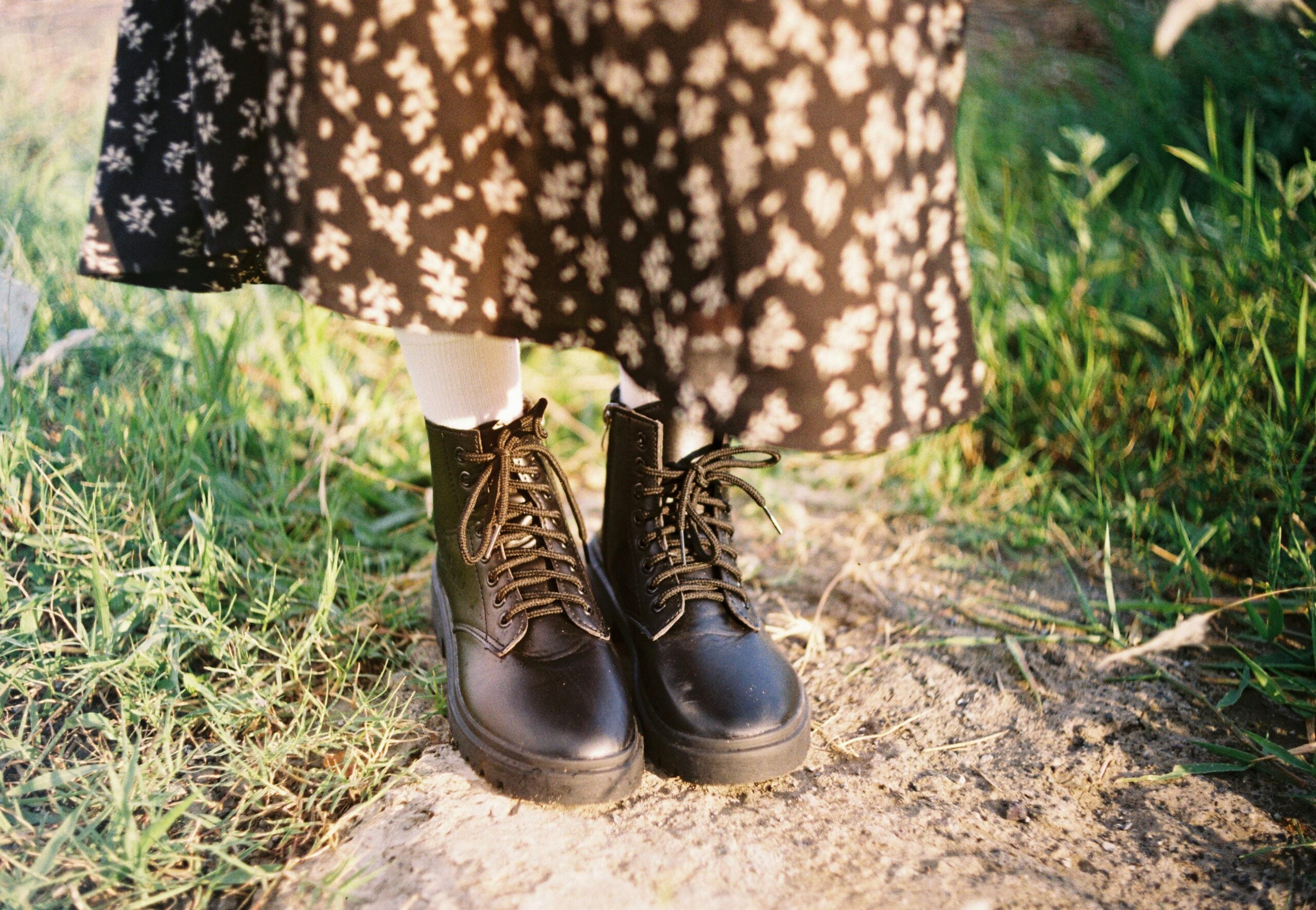
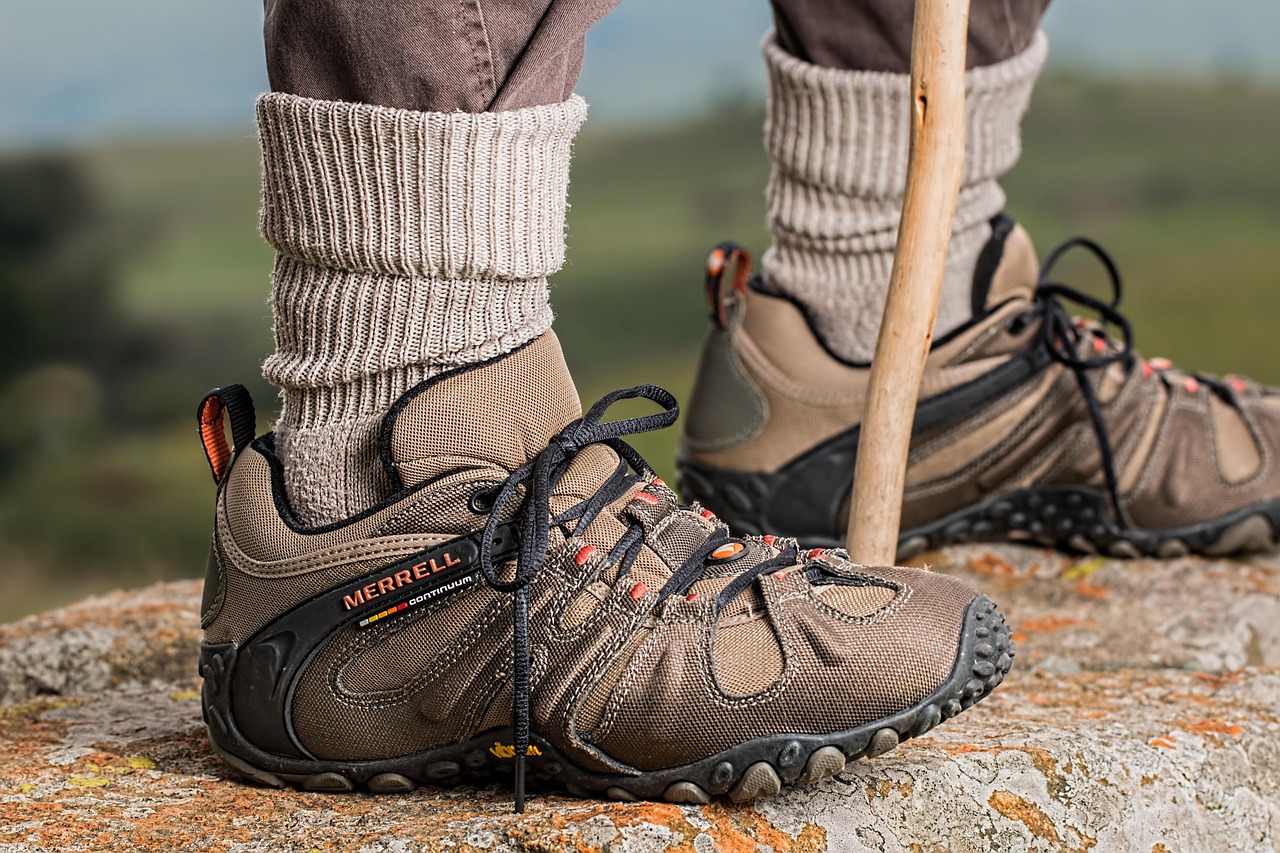
Invest in comfortable, supportive footwear that makes walking pleasant rather than painful. You don’t need expensive athletic shoes; any comfortable pair that provides adequate support will work. Dress appropriately for the weather, and remember that there’s no such thing as bad weather, only inappropriate clothing choices.
Set realistic expectations. If you’re struggling with depression or anxiety, even getting out the door can feel like a monumental task. Acknowledge this difficulty without judgment. Tell yourself you’ll just walk to the end of the block. Often, once you’re moving, you’ll find it easier to continue, but if you don’t, that’s okay too. Any movement is better than none.
Creating Your Personalized Walking Routine
Different walking approaches serve different mental health needs. Morning walks expose you to natural light, which helps regulate your circadian rhythm and can be particularly beneficial for seasonal affective disorder and depression. The early sunlight signals your body to suppress melatonin production and increase cortisol, helping you feel more alert and energized throughout the day.
Lunchtime walks provide a mental break from work stress and prevent the afternoon slump. This midday movement opportunity can dramatically improve your focus, creativity, and productivity for the remainder of your workday. It also serves as a natural boundary between morning and afternoon tasks, giving your brain a chance to reset.
Evening walks help process the day’s events and transition into relaxation mode. This timing works particularly well if you struggle with anxiety or racing thoughts at bedtime. The gentle physical activity helps discharge excess energy while the rhythmic movement soothes your nervous system, preparing you for better sleep quality.
Mindful Walking: Deepening the Mental Health Benefits 🌿
Transforming your walk into a mindfulness practice amplifies its mental health benefits exponentially. Mindful walking means bringing intentional awareness to the present moment while moving. Instead of letting your mind wander to worries about the future or regrets about the past, you anchor your attention to the immediate sensory experience of walking.
Begin by noticing the sensation of your feet touching the ground. Feel the weight transfer from heel to toe with each step. Pay attention to the rhythm of your breath as it naturally synchronizes with your movement. Notice the temperature of the air on your skin, the sounds around you, the colors and shapes you encounter.
When your mind inevitably wanders—and it will—gently redirect your attention back to these sensory experiences without criticism. This practice of noticing, wandering, and returning strengthens your ability to manage intrusive thoughts and emotional reactivity, skills that translate directly to managing anxiety and depression symptoms.
Walking Meditation Techniques for Mental Clarity
Incorporate these specific techniques to enhance your walking practice:
- Breath counting: Count your steps in rhythm with your breathing. For example, inhale for four steps, exhale for four steps. This pattern naturally slows your breath and activates the parasympathetic nervous system.
- Gratitude walking: With each step, mentally acknowledge something you’re grateful for. This practice shifts your attention from what’s wrong to what’s right in your life.
- Body scan walking: Systematically bring awareness to different body parts as you walk, noticing sensations without judgment.
- Loving-kindness walking: Silently repeat phrases like “May I be happy, may I be healthy” while walking, then extend these wishes to others you encounter.
The Social Dimension: Walking Together for Connection 🤝
While solitary walking offers valuable introspection time, walking with others provides different but equally important mental health benefits. Social connection is a fundamental human need, and loneliness significantly contributes to depression and anxiety. Walking with friends, family, or even walking groups creates opportunities for connection that feel less intense than sitting face-to-face.
The side-by-side nature of walking together reduces social pressure and makes conversation flow more naturally. You’re not staring at each other, which can ease social anxiety. The shared activity provides natural conversation breaks, making silence comfortable rather than awkward. This format works particularly well for people who find traditional socializing exhausting or anxiety-provoking.
Consider joining a local walking group or starting one yourself. Many communities have organized walking clubs that welcome members of all fitness levels. These groups provide accountability, social connection, and a sense of belonging—all protective factors for mental health. Some groups specifically focus on mental health, creating safe spaces where participants can share experiences while benefiting from movement.
Nature Walking: Amplifying Benefits Through Green Spaces 🌳
When possible, choose natural settings for your walks. Research on “ecotherapy” or “green exercise” shows that physical activity in nature provides significantly greater mental health benefits than the same activity in urban environments. Natural settings reduce cortisol levels, lower blood pressure, and decrease rumination more effectively than built environments.
This doesn’t mean you need access to wilderness areas. Local parks, tree-lined streets, or even gardens can provide sufficient natural elements to enhance your walking practice. The key elements appear to be the presence of greenery, natural sounds like birdsong or rustling leaves, and the fractal patterns found in nature that naturally draw and hold our attention without demanding cognitive effort.
If you live in an urban area with limited green space, even small doses of nature make a difference. A single tree on your walking route, planters with flowers, or views of the sky between buildings all contribute. You might also consider making weekend trips to more natural areas when daily access isn’t possible.
Forest Bathing: The Japanese Practice of Shinrin-Yoku
The Japanese practice of shinrin-yoku, or forest bathing, takes nature walking to a therapeutic level. This practice involves slowly walking through forested areas while mindfully engaging all your senses. Unlike hiking, which focuses on reaching a destination, forest bathing emphasizes being present in the forest environment.
Research on forest bathing shows remarkable benefits: reduced stress hormones, improved immune function, decreased anxiety and depression symptoms, and enhanced mood. The phytoncides—airborne chemicals that plants emit to protect themselves from insects—actually boost human immune function when we breathe them in during forest walks.
Tracking Progress and Building Habits 📊
While the mental health benefits of walking are reason enough to maintain the practice, tracking your progress can provide additional motivation and help you notice improvements you might otherwise overlook. Consider keeping a simple walking journal where you note the date, duration, and location of your walks, along with a brief mood rating before and after.
Many people find that seeing patterns emerge—consistently better moods after walking, improved sleep on days they walked, reduced anxiety symptoms—reinforces the behavior and encourages consistency. This concrete evidence of walking’s benefits becomes powerful motivation during times when depression makes movement feel impossible.
Walking tracking applications can help monitor your progress and provide structure to your routine. These apps can track distance, time, and sometimes even map your routes, giving you a sense of accomplishment as you see your activity accumulate over time.
Building a Sustainable Walking Habit
Habit formation research suggests that consistency matters more than intensity. Choose a specific time and place for your walk—this specificity helps your brain create automatic cues that trigger the behavior. Stack your walking habit onto an existing routine, like walking immediately after your morning coffee or before dinner preparation.
Prepare for obstacles before they arise. Decide now what you’ll do on rainy days, extremely hot or cold days, or days when you’re running late. Having backup plans—walking inside a mall, doing laps in your hallway, or shortening your walk to five minutes—prevents all-or-nothing thinking that derails habits.
Celebrate small wins. Each walk is an act of self-care and a positive step toward better mental health. Acknowledge this achievement, even if your walk was shorter or slower than planned. This positive reinforcement strengthens the habit and counteracts the negative self-talk common in depression and anxiety.
Walking Through Different Mental Health Challenges 💪
Walking serves as a versatile tool for various mental health conditions, though the approach may need adjustment based on specific challenges. For anxiety disorders, walking provides a healthy outlet for nervous energy and offers a distraction from anxious thoughts. The bilateral stimulation of alternating left-right movement may also help process anxiety-provoking experiences.
When dealing with depression, walking combats the lethargy and lack of motivation that characterize this condition. Start with extremely short walks if needed—even walking to your mailbox counts. The exposure to light and movement gradually helps lift mood, though progress may feel slow. Remember that motivation often follows action rather than preceding it.
For trauma and PTSD, walking in safe, familiar environments can help restore a sense of safety and body awareness. The predictable rhythm of walking grounds you in the present moment, counteracting flashbacks and dissociation. Some therapists incorporate walking into trauma treatment, using bilateral movement to facilitate processing difficult memories.
Beyond Basic Walking: Variations to Explore 🚶
Once you’ve established a basic walking routine, consider exploring variations that keep the practice fresh and address different needs. Interval walking—alternating between normal pace and faster walking—provides an energy boost and may offer additional mood benefits through increased intensity.
Backward walking requires increased concentration, pulling your attention firmly into the present moment and providing a novel challenge for your brain and body. Practice this in safe, flat areas free from obstacles. The unusual nature of this activity often brings a playful element that lightens mood.
Walking barefoot on natural surfaces like grass or sand—when safe to do so—enhances sensory input and connection to the earth. Some practitioners believe in “earthing” or “grounding” benefits from direct skin contact with the earth, though scientific evidence is still emerging.
Walking labyrinths offers a meditative experience with a defined path that removes navigation decisions, allowing complete focus on the internal experience. Many parks, spiritual centers, and hospitals now feature walking labyrinths specifically designed for meditation and stress reduction.
Integrating Walking Into a Comprehensive Wellness Plan 🌟
While walking provides substantial mental health benefits on its own, it works even more powerfully as part of a comprehensive approach to wellness. Consider how walking complements other mental health practices you’re already using or want to develop.
Walking naturally supports better sleep, which is crucial for mental health. The physical activity helps tire your body appropriately, while exposure to natural light helps regulate your circadian rhythm. Better sleep, in turn, improves emotional regulation, decision-making, and stress resilience.
Combine walking with therapy by processing session insights during walks or using walking time to practice coping skills your therapist recommends. Some therapists even conduct “walk and talk” sessions, recognizing that movement can facilitate therapeutic breakthroughs and make difficult conversations feel less intense.
Use walking time for personal development by listening to podcasts, audiobooks, or calming music that supports your mental health goals. However, balance this with silent walks where you simply be present with yourself and your surroundings, as this contemplative time is equally valuable.

Your Journey Toward Mental Wellness Starts Now 🌈
The path to better mental health doesn’t require dramatic life changes or expensive interventions. Sometimes, the most powerful transformations begin with a single step outside your door. Walking offers an accessible, evidence-based, and sustainable approach to supporting your mental wellbeing that you can start today, right now, regardless of your current fitness level or mental health status.
Every journey begins with deciding to take that first step. Your mind and mood will thank you for the gift of movement, fresh air, and the gentle rhythm of walking. As you develop this practice, you’ll likely discover that those simple walking routines become a cornerstone of your mental health maintenance—a reliable tool you can turn to whenever life feels overwhelming or your mood needs lifting.
Remember that progress isn’t linear. Some days, walking will feel effortless and joyful. Other days, it will require every ounce of determination you possess just to put on your shoes. Both types of days matter. Both types of walks count. The consistent practice of showing up for yourself, step by step, creates the transformation that leads to lasting mental wellness.