Walking may seem simple, but for hypermobile individuals, each step presents unique challenges that require specialized attention and understanding. The journey toward stronger, more stable walking patterns begins with recognizing the distinct needs of hypermobility and applying targeted strategies.

Hypermobility affects millions of people worldwide, creating a complex relationship between flexibility and stability that demands careful navigation. This comprehensive guide explores evidence-based techniques and expert insights to help hypermobile individuals develop safer, more efficient walking patterns while reducing pain and preventing injury.
🦴 Understanding Hypermobility and Its Impact on Walking
Hypermobility refers to joints that move beyond the normal range of motion, creating instability that significantly affects gait patterns. When joints extend too far, the muscles must work overtime to provide stability, leading to fatigue, compensatory movements, and potential injury during everyday activities like walking.
The connective tissue differences in hypermobile individuals mean that ligaments provide less passive support than in the general population. This fundamental difference transforms walking from an automatic process into one requiring conscious muscular control and strategic movement patterns.
People with conditions like Ehlers-Danlos Syndrome (EDS), Joint Hypermobility Syndrome (JHS), or Hypermobility Spectrum Disorder (HSD) often experience chronic pain, frequent subluxations, and rapid fatigue during walking. These challenges compound over time, creating movement patterns that may feel protective but ultimately contribute to dysfunction.
The Biomechanics of Hypermobile Walking Patterns
Hypermobile walkers typically display characteristic gait abnormalities including knee hyperextension, ankle instability, and altered hip mechanics. The foot may roll excessively inward (pronation), while the knees lock backward, creating a cascade of compensations throughout the kinetic chain.
These patterns develop as the body attempts to create stability through bone-on-bone contact rather than muscular control. While this strategy provides temporary stability, it accelerates joint wear, increases pain, and perpetuates the cycle of instability.
🎯 Foundational Principles for Safer Walking
Building a stronger walking progression for hypermobile individuals requires adherence to specific principles that prioritize joint protection while developing functional strength. These foundations form the bedrock of any successful walking rehabilitation program.
Proprioception: Your Hidden Sixth Sense
Proprioception—the body’s ability to sense joint position in space—is often compromised in hypermobile individuals. This deficit creates uncertainty about where joints are positioned, leading to poor movement control and increased injury risk.
Developing proprioceptive awareness should precede any walking progression. Simple exercises performed while stationary help retrain the nervous system to recognize optimal joint positions before adding the complexity of forward movement.
- Single-leg balance exercises with eyes open, then closed
- Weight-shifting drills that challenge stability in multiple directions
- Slow, controlled movements that emphasize joint position awareness
- Texture variation training using different surface materials
The Soft Lock Strategy
The “soft lock” represents one of the most critical concepts for hypermobile walkers. Instead of allowing joints to hyperextend into their full range, a soft lock involves maintaining a slight bend—approximately 5-10 degrees—to keep muscles engaged and joints protected.
This technique requires constant neuromuscular feedback and initially demands significant mental focus. Over time, with consistent practice, the soft lock becomes more automatic, transforming from a conscious correction to an ingrained motor pattern.
💪 Building the Muscular Foundation
Muscular strength takes on heightened importance for hypermobile individuals, as muscles must compensate for ligamentous laxity. However, standard strengthening protocols often prove inadequate or even counterproductive without hypermobility-specific modifications.
Strategic Muscle Activation Sequencing
The order and quality of muscle activation matters enormously for hypermobile walkers. Deep stabilizers must activate before larger movement muscles, creating a foundation of support from which efficient movement can emerge.
Core stability exercises targeting the transverse abdominis and multifidus provide essential trunk control. Gluteal activation, particularly gluteus medius, prevents the hip drop and knee collapse common in hypermobile gait patterns. Foot intrinsic strengthening addresses the foundation upon which all walking occurs.
Isometric Before Dynamic
Isometric exercises—where muscles contract without joint movement—offer exceptional benefits for hypermobile individuals. These exercises build strength at specific joint angles while minimizing stress on unstable joints.
Progressive isometric holds in functional positions prepare the neuromuscular system for the demands of walking. Wall sits with a soft knee lock, plank variations, and isometric hip abduction against resistance bands create strength without the joint stress of dynamic movements.
👣 The Progressive Walking Protocol
Walking progression for hypermobile individuals cannot follow traditional rehabilitation timelines. The process demands patience, frequent reassessment, and willingness to regress when necessary to maintain quality movement patterns.
Phase One: Stationary Foundation
Before taking a single step, establish optimal standing alignment and weight distribution. This phase focuses on finding neutral joint positions, activating stabilizing muscles, and developing the endurance to maintain these positions.
Practice standing with soft locks at knees and elbows, feet hip-width apart with even weight distribution. Engage the core gently without breath-holding, draw the shoulders down and back without forcing, and maintain this position for progressively longer durations.
Phase Two: Weight Transfer Mastery
Walking is fundamentally about controlled weight transfer from one leg to another. Mastering this skill in slow motion prevents the compensatory patterns that emerge when speed outpaces control.
Begin with side-to-side weight shifts while maintaining the soft lock strategy at all joints. Progress to forward-backward weight transfers, then to lifting one foot slightly off the ground while maintaining stability through the standing leg.
Phase Three: Slow Motion Walking
Initiate walking at a deliberately slow pace that allows conscious attention to every element of the gait cycle. This speed may feel uncomfortably slow, but it provides the repetition needed to establish new neuromuscular patterns.
Focus on heel contact without locking the knee, smooth rollover through the foot, controlled push-off using the glutes rather than momentum, and stable hip position throughout the stance phase. Each element requires attention before increasing speed or distance.
Phase Four: Progressive Challenge Integration
Once basic gait mechanics improve, gradually introduce variables that challenge stability while maintaining quality movement. These progressions should only occur when the previous phase feels consistently manageable.
- Varied walking surfaces (grass, gravel, slight inclines)
- Directional changes and curved paths
- Increased walking duration before fatigue compromises form
- Walking speed progression in small increments
- External load carrying with proper postural alignment
🔧 Expert Techniques for Common Hypermobile Walking Issues
Specific walking challenges require targeted intervention strategies. These expert techniques address the most common problems encountered by hypermobile walkers during rehabilitation.
Managing Knee Hyperextension
Knee hyperextension represents perhaps the most visible hypermobile walking pattern. This backward bending creates false stability while damaging joint structures and creating pain throughout the kinetic chain.
Implement the “microbend” cue, maintaining constant knee flexion of approximately 5 degrees throughout the entire gait cycle. Use tactile cues like taping or bracing initially if needed to develop awareness. Strengthen the quadriceps through controlled, range-limited exercises that never reach full extension.
Addressing Foot and Ankle Instability
The foot-ankle complex provides the foundation for all walking movement. Hypermobile feet often demonstrate excessive pronation, arch collapse, and inadequate push-off strength, compromising the entire kinetic chain.
Barefoot exercises on varied surfaces rebuild foot intrinsic strength. Ankle eversion resistance training using bands targets often-weak peroneals. Custom orthotics may provide beneficial support, though they should complement rather than replace strengthening efforts.
Hip and Pelvis Stabilization
Hip instability manifests as lateral trunk shift, pelvic drop, or hip hiking during walking. These compensations create inefficient gait patterns and contribute to back, hip, and knee pain.
Single-leg stance progressions challenge hip stability in a controlled manner. Lateral band walks with proper form strengthen hip abductors. Mirror feedback during walking helps develop awareness of pelvic position and movement.
📊 Tracking Progress and Adjusting Your Program
Objective progress tracking prevents both under-challenging and overtraining—two common pitfalls in hypermobile rehabilitation. Regular assessment informs program adjustments and maintains motivation during the lengthy progression timeline.
| Metric | Assessment Method | Frequency |
|---|---|---|
| Pain Levels | 0-10 scale before, during, and after walking | Daily |
| Walking Duration | Minutes of quality walking before form breakdown | Weekly |
| Knee Position | Video analysis of knee hyperextension | Bi-weekly |
| Balance Quality | Single-leg stance time with proper alignment | Weekly |
| Fatigue Recovery | Hours needed for symptom resolution after walking | Daily |
The Importance of Recovery Periods
Hypermobile individuals often require extended recovery between walking sessions compared to the general population. Tissue healing processes may operate differently, and nervous system fatigue from constant stabilization demands adds to physical stress.
Schedule rest days proactively rather than reactively. If pain increases, duration decreases, or form deteriorates, reduce intensity before increasing it again. Progress in hypermobile rehabilitation rarely follows a linear trajectory.
🏥 When to Seek Professional Guidance
While self-directed walking progression can benefit many hypermobile individuals, certain situations necessitate professional intervention from specialists familiar with hypermobility conditions.
Seek professional help if pain consistently increases with walking attempts, despite proper technique modifications. Frequent joint dislocations or subluxations during walking require specialized assessment. When progress plateaus for extended periods despite program adjustments, professional insight can identify missing elements.
Building Your Support Team
Optimal hypermobile walking rehabilitation often requires multidisciplinary support. Physical therapists with hypermobility specialization understand the unique demands of these conditions. Podiatrists can assess foot mechanics and provide appropriate orthotic support. Occupational therapists contribute activity pacing strategies and energy conservation techniques.
Rheumatologists or geneticists familiar with connective tissue disorders provide medical oversight and diagnostic clarity. This team approach ensures comprehensive care addressing all aspects of hypermobile walking challenges.
🌟 Maintaining Long-Term Walking Success
Achieving improved walking patterns represents only the beginning; maintaining these improvements requires ongoing attention and strategic lifestyle integration. Hypermobility management is a lifelong process rather than a problem to be permanently solved.
Environmental Modifications for Walking Success
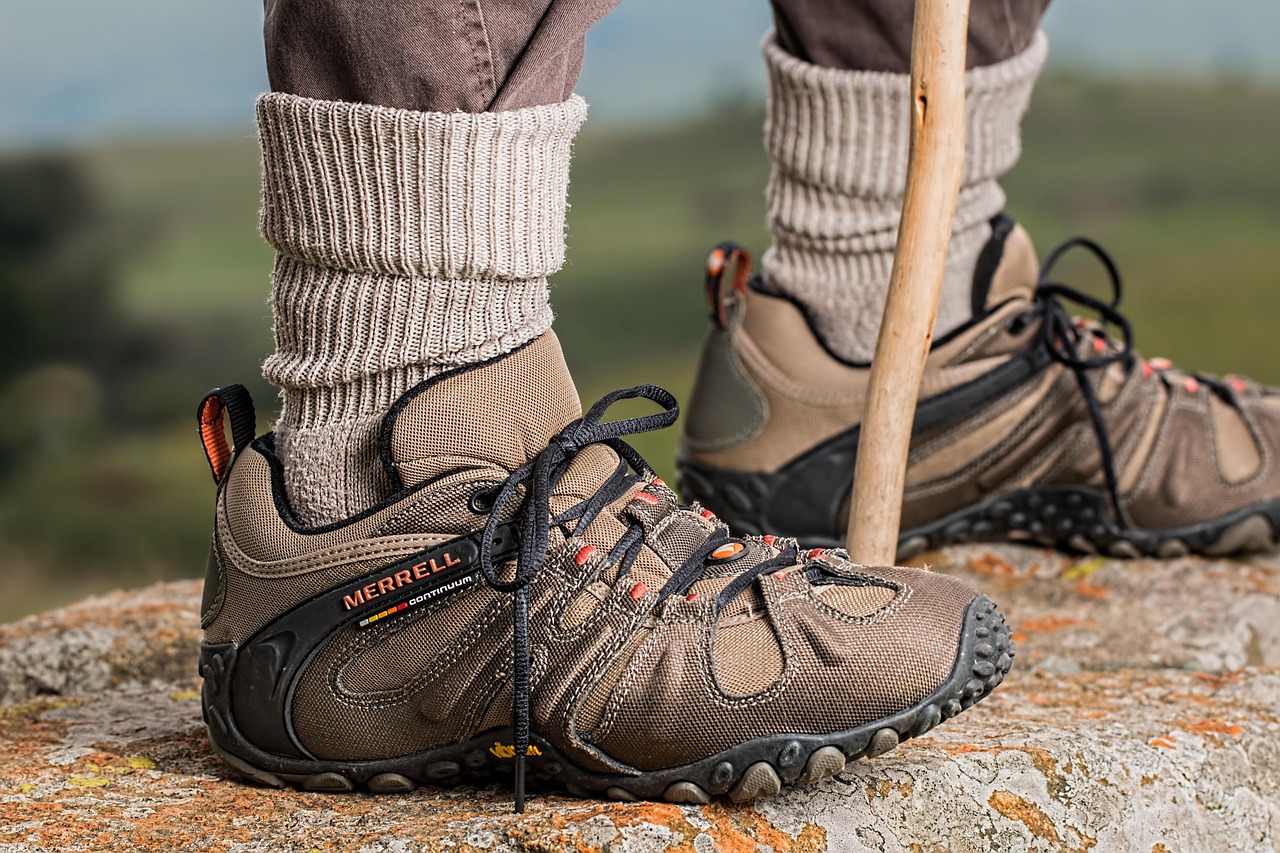
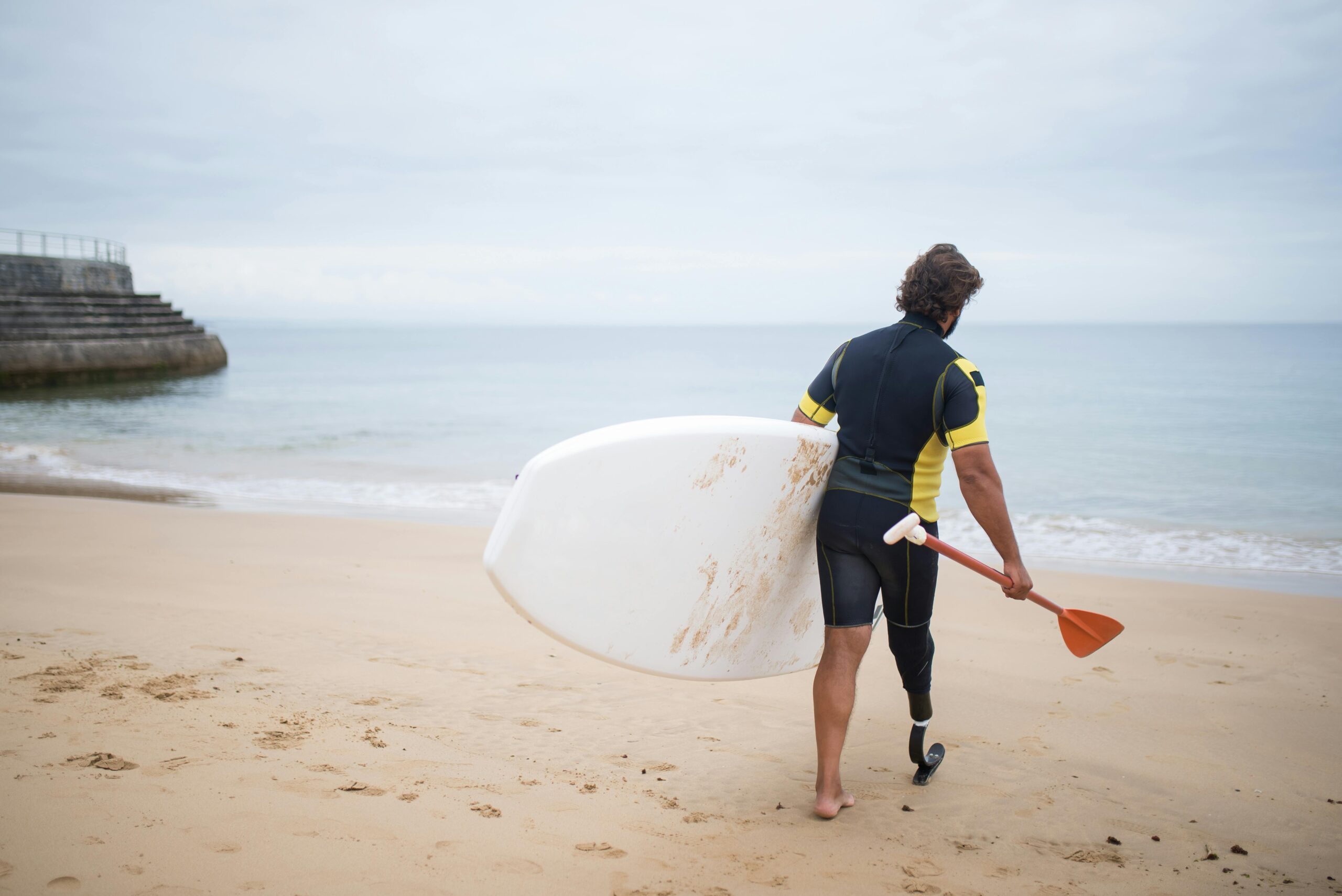
Strategic environmental adaptations reduce walking demands while maintaining function. Supportive footwear with appropriate cushioning and stability features protects joints during extended walking. Walking aids like trekking poles distribute load and improve stability when needed without stigma.
Plan routes considering terrain challenges, rest opportunities, and environmental factors like heat or cold that may affect joint function. Gradually expand walking environments as stability and confidence improve.
Integrating Walking Into Daily Life
Functional walking improvement must translate into daily life activities to provide meaningful benefit. Practice walking techniques during routine activities rather than reserving them for formal exercise sessions.
Apply soft lock principles while grocery shopping, walking to the car, or moving around the home. Use environmental cues like doorways or hallway lengths as prompts to check joint position and muscle engagement. This integration transforms conscious corrections into automatic patterns.
💡 Advanced Strategies for Continued Progression
Once foundational walking patterns stabilize, advanced strategies can further enhance function while maintaining joint protection. These techniques should only be introduced when basic mechanics are consistently solid.
Gait Speed Variability Training
The ability to adjust walking speed safely expands functional capacity. Practice transitioning between slow, moderate, and brisk walking while maintaining quality mechanics. These transitions challenge neuromuscular control and prepare for real-world walking demands.
Begin with short bursts of faster walking interspersed with recovery periods at comfortable pace. Gradually extend the duration of faster walking as tolerance improves. Always prioritize form over speed.
Cognitive-Motor Dual Tasking
Real-world walking rarely occurs in isolation; typically, we navigate environments, hold conversations, or carry objects simultaneously. Dual-task training prepares hypermobile walkers for these complex demands.
Introduce simple cognitive tasks during walking once mechanics are solid. Count backward by threes, name items in categories, or navigate while following verbal directions. These activities challenge the nervous system to maintain walking quality despite divided attention.
🎓 Empowering Your Walking Journey
The path toward stronger walking for hypermobile individuals requires patience, consistency, and self-compassion. Progress may occur more slowly than desired, with inevitable setbacks along the way. Each small improvement contributes to long-term functional gains that enhance quality of life.
Celebrate victories of all sizes—an extra minute of quality walking, a day with reduced pain, or successfully maintaining soft locks during an entire outing. These incremental gains accumulate into meaningful functional improvements over time.
Remember that hypermobility represents a variation rather than a defect. With appropriate strategies and expert guidance, hypermobile individuals can develop walking patterns that support active, fulfilling lives. The journey may look different from standard rehabilitation protocols, but the destination—confident, comfortable walking—remains entirely achievable.
Your commitment to understanding your body’s unique needs and consistently applying evidence-based techniques creates the foundation for lasting change. Step by step, with intention and awareness, stronger walking patterns emerge, unlocking greater independence and reduced pain in your daily activities.