Recovering from an injury can feel overwhelming, but walking offers one of the safest and most effective pathways back to full strength and mobility.

Whether you’re healing from a sports injury, surgery, or accident, a structured walking plan can help rebuild your physical capabilities while restoring the confidence that injury often diminishes. The journey from immobility to full recovery doesn’t happen overnight, but with patience, proper technique, and progressive planning, you can safely step your way back to health.
🏥 Understanding the Foundation of Walking-Based Recovery
Walking serves as a fundamental rehabilitation exercise because it engages multiple body systems simultaneously without placing excessive stress on healing tissues. Unlike high-impact activities, walking allows you to gradually rebuild strength, improve circulation, and enhance balance while minimizing re-injury risk.
The beauty of walking as a recovery tool lies in its adaptability. You can modify pace, distance, terrain, and duration to match your current healing stage. This flexibility makes walking suitable for recovering from various injuries, including ankle sprains, knee surgeries, hip replacements, lower back problems, and even upper body injuries where maintaining cardiovascular fitness is essential.
During the initial healing phases, walking stimulates blood flow to injured areas, delivering vital nutrients and oxygen that accelerate tissue repair. It also helps prevent the muscle atrophy and joint stiffness that commonly occur during extended periods of inactivity.
🔍 Assessing Your Starting Point
Before beginning any walking recovery program, obtaining medical clearance from your healthcare provider is absolutely essential. Your doctor or physical therapist can evaluate your specific injury, assess healing progress, and identify any limitations or precautions you should observe.
Your initial assessment should consider several factors:
- Current pain levels during rest and movement
- Range of motion in affected joints
- Stability and balance capabilities
- Cardiovascular conditioning
- Any assistive devices you currently need
- Medications that might affect exercise tolerance
This baseline information helps establish realistic starting points and measurable goals. Remember that everyone’s recovery timeline differs based on injury severity, age, overall health, and adherence to rehabilitation protocols.
👟 Phase One: The First Steps Matter Most
The initial phase of your walking recovery plan focuses on re-establishing basic movement patterns and building tolerance for weight-bearing activity. This phase typically begins when your medical team has cleared you for gentle ambulation.
Start with short duration walks rather than focusing on distance. Five-minute sessions several times daily often prove more beneficial than one longer session. This approach prevents fatigue while gradually conditioning your body to handle increased activity.
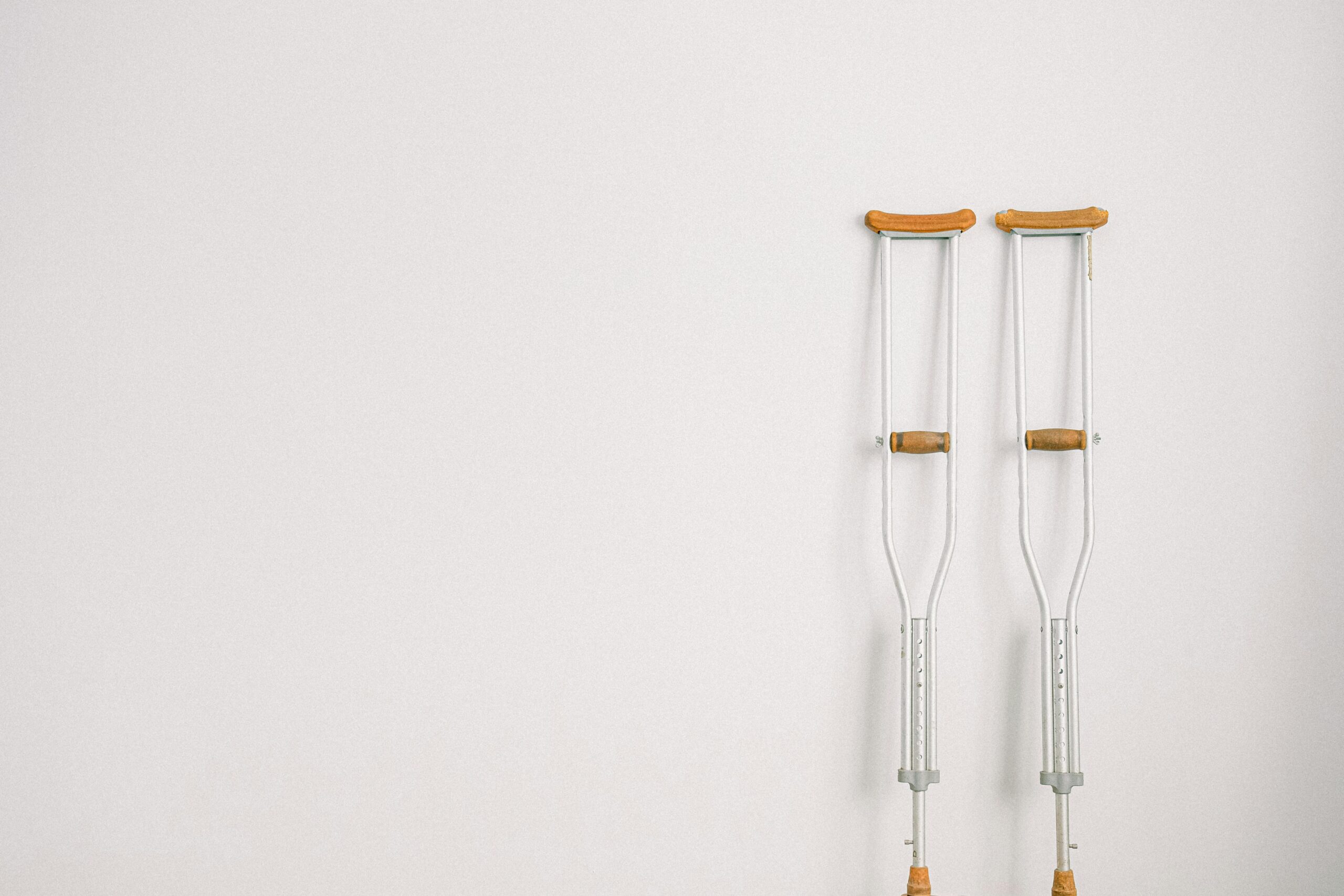
During these early walks, prioritize proper form over speed or distance. Maintain upright posture, engage your core muscles, and ensure smooth, controlled movements. If you’re using assistive devices like crutches, walkers, or canes, follow your physical therapist’s instructions precisely regarding weight distribution and gait patterns.
Monitoring Intensity in Early Recovery
Pain monitoring serves as your most reliable guide during initial recovery walks. A general rule suggests that activity-related discomfort should not exceed 3-4 on a 10-point scale, and any pain should resolve within 24 hours. Persistent or increasing pain signals that you’re pushing too hard.
Track your perceived exertion as well. You should be able to carry on a conversation during early recovery walks without significant breathlessness. This “talk test” ensures you’re not overexerting cardiovascular systems while healing tissues remain vulnerable.
📈 Phase Two: Building Endurance and Consistency
Once you’ve established a foundation of short, frequent walks without adverse reactions, gradually increase duration and frequency. This progressive phase might begin 2-4 weeks after starting Phase One, though timing varies significantly based on individual factors.
Increase your walking time by no more than 10-15% weekly. This conservative progression minimizes overuse injury risk while allowing tissues to adapt to increasing demands. For example, if you’re walking 10 minutes per session, add only 1-2 minutes the following week.
Consistency becomes crucial during this phase. Aim for daily walking sessions, even if some days require shorter durations due to fatigue or mild discomfort. Regular activity maintains momentum and prevents the setbacks that often accompany sporadic training.
Creating Your Weekly Walking Schedule
A structured schedule helps maintain consistency while building progressive overload. Here’s a sample progression framework:
| Week | Session Duration | Daily Frequency | Weekly Total |
|---|---|---|---|
| 1-2 | 5-7 minutes | 3-4 times | 15-28 minutes |
| 3-4 | 8-10 minutes | 3-4 times | 24-40 minutes |
| 5-6 | 12-15 minutes | 2-3 times | 24-45 minutes |
| 7-8 | 15-20 minutes | 2 times | 30-40 minutes |
Adjust these timeframes according to your specific injury and recovery rate. Some individuals progress faster, while others require more gradual advancement.
💪 Phase Three: Introducing Challenge and Variety
After establishing solid endurance with consistent walking on flat, even surfaces, you can begin introducing controlled challenges that further develop strength, balance, and functional capacity.
Gentle inclines provide excellent progressive resistance training. Start with barely perceptible slopes, gradually working toward moderate hills over several weeks. Uphill walking strengthens muscles around injured joints while improving cardiovascular fitness. Downhill sections challenge balance and eccentric muscle control, which are essential for preventing future injuries.
Surface variation also contributes to recovery. Once comfortable on smooth pavement or indoor tracks, carefully introduce grass, hard-packed trails, or other stable but slightly irregular surfaces. These terrains activate stabilizing muscles and improve proprioception—your body’s spatial awareness that often diminishes after injury.
Interval Walking for Progressive Strength
Interval training techniques can be adapted for rehabilitation purposes. Alternate between comfortable baseline pace and slightly faster segments. Initially, these faster segments might last only 15-30 seconds, followed by 2-3 minutes at recovery pace.
This approach builds both cardiovascular capacity and muscular endurance without maintaining high intensity for extended periods. The recovery intervals allow you to push slightly harder during faster segments while minimizing overall stress on healing tissues.
🧘 Complementary Activities That Enhance Walking Recovery
While walking forms the core of your recovery plan, supplementary activities can accelerate healing and improve outcomes. Flexibility work, particularly gentle stretching, maintains and improves range of motion around injured areas.
Perform stretches after walking sessions when muscles are warm and more pliable. Hold each stretch for 20-30 seconds without bouncing, focusing on major muscle groups involved in walking: calves, hamstrings, quadriceps, hip flexors, and lower back.
Balance exercises complement walking beautifully, especially for lower extremity injuries. Simple single-leg stands, progressing to more challenging variations like single-leg reaches or balance board work, rebuild the neuromuscular connections that provide stability during movement.
Strength Training Integration
As your recovery progresses, targeted strength exercises address specific weaknesses that contributed to or resulted from your injury. Bodyweight exercises like wall squats, calf raises, and step-ups can be gradually introduced with your physical therapist’s guidance.
These strengthening activities should complement rather than replace walking sessions. Schedule them on alternate days or after shorter walks to avoid overtraining during the recovery period.
🎯 Overcoming Mental Barriers and Building Confidence
Physical recovery represents only part of the rehabilitation journey. Many injury survivors experience psychological challenges including fear of re-injury, anxiety about movement, and frustration with recovery timelines.
These mental barriers can significantly impact your willingness to progress your walking program appropriately. Acknowledging these concerns as normal responses to injury represents an important first step toward overcoming them.
Setting small, achievable goals helps rebuild confidence incrementally. Rather than focusing on pre-injury capabilities, celebrate current progress. Completing your first unassisted walk around the block or managing a particular distance without increased pain are genuine achievements worthy of recognition.
Visualization and Positive Self-Talk
Mental rehearsal techniques used by athletes can benefit recovery as well. Before challenging walks, visualize yourself moving confidently and comfortably. This mental practice activates similar neural pathways as physical movement, reinforcing positive movement patterns.
Replace negative self-talk with encouraging, realistic statements. Instead of “I’ll never get back to normal,” try “I’m steadily improving and trusting the recovery process.” This cognitive shift supports persistence through difficult recovery phases.
📱 Technology Tools That Support Your Recovery Journey
Modern technology offers numerous resources for tracking progress, maintaining motivation, and ensuring safe progression. Fitness tracking applications can monitor walking duration, distance, and intensity while providing visual representations of your improvement over time.
Many apps include features specifically valuable for recovery situations, such as customizable reminders, progress photos, pain tracking, and journaling functions. These tools help you identify patterns, recognize achievements, and share objective data with your healthcare team.
Wearable devices like fitness trackers or smartwatches provide real-time feedback on heart rate, step count, and activity intensity. This information helps ensure you’re working within appropriate ranges for your recovery stage.
⚠️ Warning Signs That Require Attention
While some discomfort during recovery is normal, certain symptoms indicate you should pause your program and consult your healthcare provider. Sharp, severe pain differs significantly from general muscle soreness or mild achiness.
Watch for these concerning signs:
- Increased swelling around the injury site
- Pain that intensifies rather than improves with activity
- New areas of pain or discomfort
- Numbness, tingling, or weakness
- Significant limping or altered gait patterns
- Excessive fatigue lasting more than 24 hours post-activity
- Visible deformity or instability
Responding promptly to warning signs prevents minor setbacks from becoming major complications. Remember that temporary rest and reassessment don’t erase your progress—they protect your long-term recovery.
🌟 Transitioning Beyond Basic Recovery
As your walking capacity approaches or exceeds pre-injury levels, begin considering your next fitness goals. Some individuals return to previous activities like running, hiking, or sports, while others discover new appreciation for walking as a sustainable long-term exercise.
If you plan to return to higher-impact activities, continue using walking as a foundation while gradually reintroducing sport-specific movements. Work closely with physical therapists or trainers who understand both your injury history and your activity goals.
For those embracing walking as a primary fitness activity, consider new challenges like longer distances, hiking varied terrain, speed walking, or walking-based events. These goals provide ongoing motivation while maintaining the low-impact benefits that supported your recovery.
🔄 Maintaining Progress and Preventing Future Injuries
Successfully completing your recovery walking program represents a significant achievement, but maintaining those gains requires ongoing commitment. Continue regular walking as part of your lifestyle rather than viewing it as a temporary rehabilitation tool.
Establish a sustainable routine that fits your schedule and preferences. Morning walks provide energizing starts to days, lunch walks offer midday stress relief, and evening walks help with relaxation and sleep quality. Find timing that you’ll realistically maintain long-term.
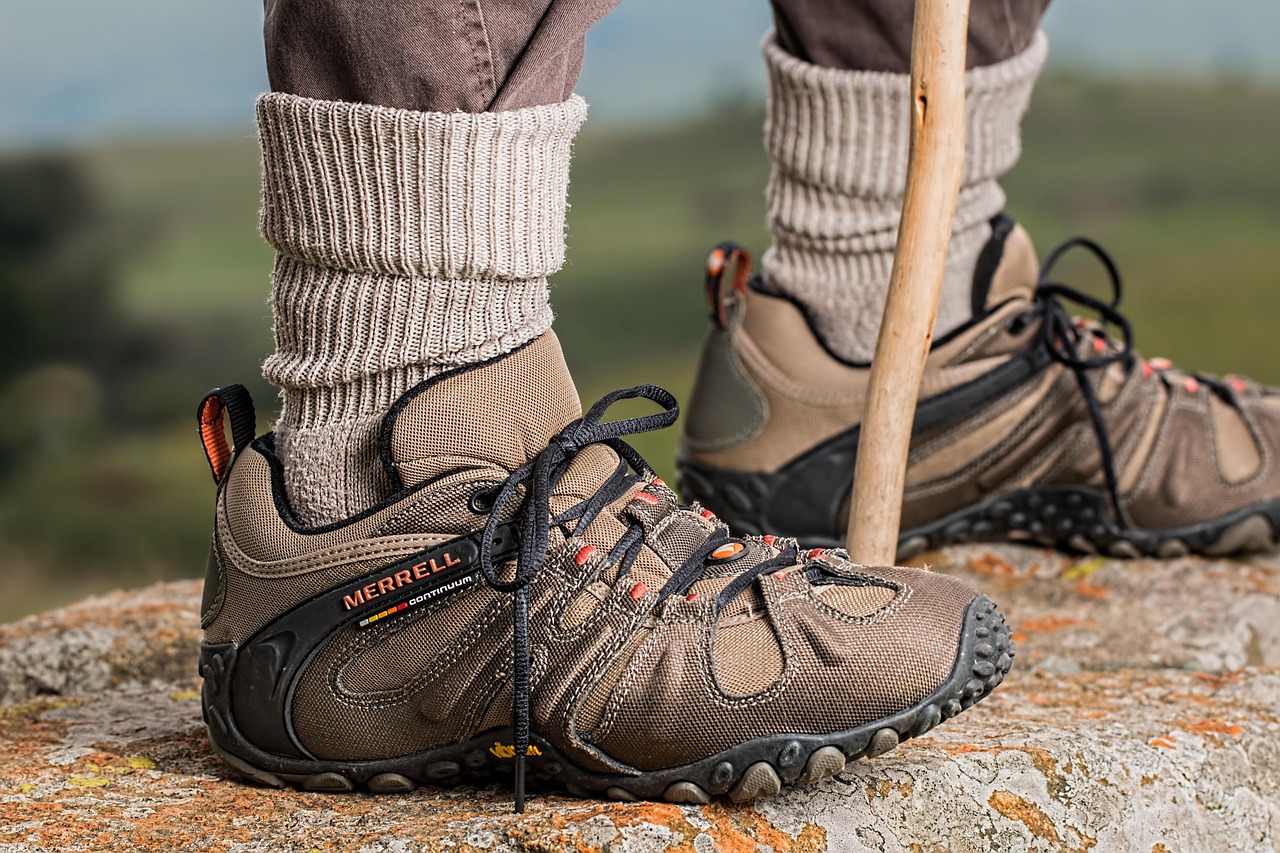
Injury prevention should remain a priority even after recovery. Maintain the flexibility, strength, and balance work that complemented your walking program. Proper footwear, appropriate progression when increasing intensity, and attention to technique all reduce re-injury risk.
🏆 Your Personal Recovery Success Story
Every recovery journey is unique, shaped by individual circumstances, challenges, and triumphs. Your commitment to following a progressive walking plan demonstrates remarkable resilience and dedication to reclaiming your health and capabilities.
Document your journey through photos, journaling, or tracking apps. These records provide powerful reminders during difficult moments and create meaningful benchmarks for measuring progress. Sharing your story might also inspire others facing similar challenges.
The confidence and strength you rebuild through this process extend beyond physical capabilities. You’ve developed patience, persistence, and trust in your body’s remarkable healing capacity. These qualities serve you well not only in recovery but in all areas of life requiring sustained effort toward meaningful goals.
As you continue stepping forward, literally and figuratively, remember that recovery is not always linear. Some days will feel easier than others, and temporary setbacks don’t diminish your overall progress. Trust the process, listen to your body, celebrate small victories, and keep moving forward—one step at a time.