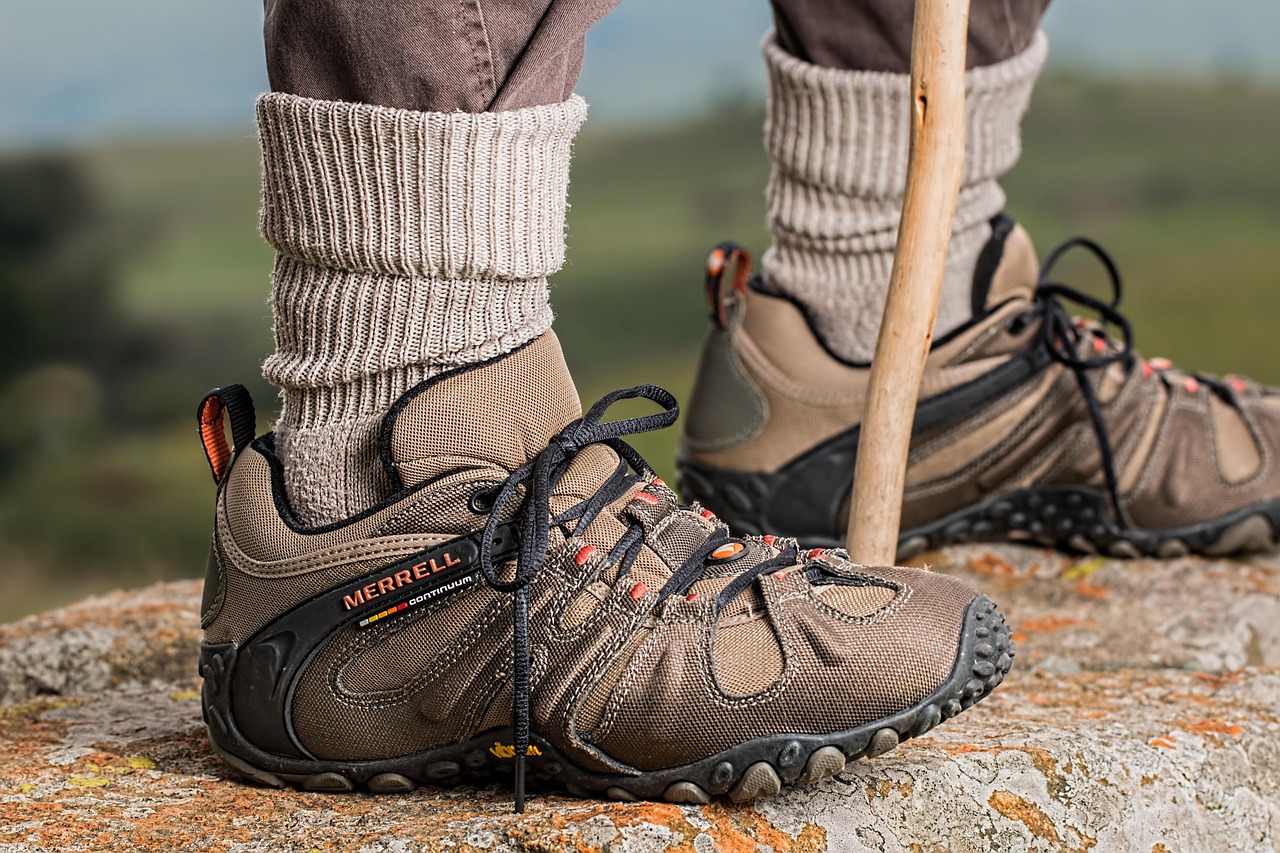
Choosing between outdoor walks and treadmill workouts can dramatically impact your fitness journey. Both options offer unique advantages that cater to different goals, preferences, and lifestyle demands.

The debate between stepping outside for fresh air or staying indoors on a treadmill has intensified as fitness enthusiasts seek optimal results. Understanding the nuances of each method helps you make informed decisions that align with your personal health objectives and environmental circumstances.
🏃 The Natural Terrain Advantage: Why Outdoor Walking Challenges Your Body Differently
Outdoor walking presents natural variations that treadmills struggle to replicate completely. Every sidewalk crack, hill, and uneven surface requires your body to make constant micro-adjustments, engaging stabilizer muscles that often remain dormant during treadmill sessions.
When you walk outside, your foot strikes differ with each step. Concrete, grass, gravel, and dirt all provide distinct feedback to your joints and muscles. This variety strengthens your ankles, improves proprioception, and reduces the risk of repetitive strain injuries that can develop from the monotonous motion of treadmill walking.
Research indicates that outdoor walking typically burns 5-10% more calories than treadmill walking at equivalent speeds. This difference stems from wind resistance, temperature regulation demands, and the energy required to navigate changing terrain. Your body works harder to maintain balance and momentum without the assistance of a moving belt.
Environmental Stimulation and Mental Health Benefits
The psychological advantages of outdoor walking extend far beyond physical fitness. Exposure to natural sunlight regulates your circadian rhythm, boosts vitamin D production, and enhances mood through increased serotonin levels. These benefits simply cannot be replicated in a gym environment, regardless of how advanced the treadmill technology may be.
Studies consistently demonstrate that outdoor exercise reduces stress, anxiety, and depression more effectively than indoor alternatives. The changing scenery, fresh air, and connection with nature create a meditative experience that transforms exercise from a chore into a restorative practice.
🏋️ Treadmill Grade Control: Precision Training at Your Fingertips
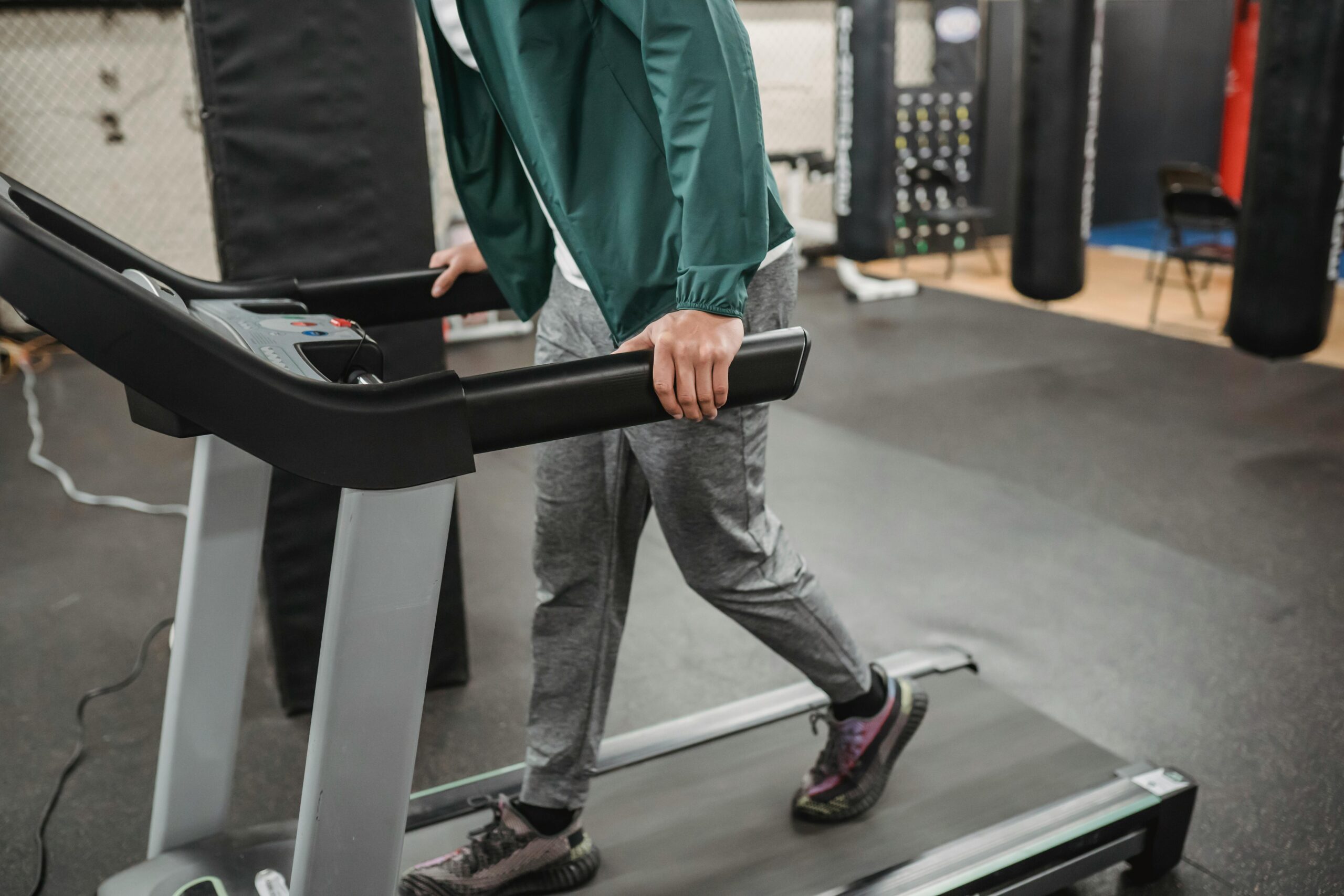
Treadmills offer unparalleled control over workout intensity through adjustable incline settings. This precision allows you to target specific fitness goals with mathematical accuracy, whether you’re building cardiovascular endurance, strengthening leg muscles, or simulating mountain hiking conditions.
Modern treadmills feature grade adjustments ranging from flat surfaces to steep 15% inclines or higher. This capability enables progressive overload training, where you systematically increase difficulty to continually challenge your body. Such controlled progression proves difficult to maintain consistently with outdoor routes.
The cushioned surface of quality treadmills reduces impact forces on your joints by up to 30% compared to concrete sidewalks. For individuals recovering from injuries, managing arthritis, or carrying excess weight, this shock absorption can mean the difference between sustainable exercise and painful setbacks.
Data Tracking and Performance Metrics
Treadmills excel at providing immediate feedback on distance, speed, heart rate, calories burned, and elevation gained. This real-time data empowers you to monitor progress, adjust intensity mid-workout, and maintain target heart rate zones with precision. Many modern machines sync with fitness apps, creating comprehensive training logs that reveal patterns and trends over time.
The ability to replicate exact workouts proves invaluable for serious athletes and fitness enthusiasts tracking performance improvements. When every variable remains constant except your effort level, you can accurately measure gains in endurance, speed, and overall fitness capacity.
⛰️ Comparing Caloric Expenditure: Does Terrain Really Matter?
The calorie-burning debate between outdoor walks and treadmill grades involves multiple factors beyond simple speed measurements. While a 3.5 mph walk appears identical on paper, the energy expenditure varies significantly based on environmental conditions and terrain challenges.
Outdoor walking on flat ground at 3.5 mph burns approximately 240-300 calories per hour for a 155-pound person. The same person walking at 3.5 mph on a treadmill set to zero incline typically burns 220-280 calories, slightly less due to the belt’s assistance in foot turnover and absence of wind resistance.
However, treadmill inclines dramatically alter this equation. A 5% grade at 3.5 mph increases caloric burn to approximately 350-400 calories per hour, while a 10% grade pushes expenditure to 450-500 calories. These numbers can exceed outdoor walking unless your route includes significant elevation changes.
Metabolic Efficiency and Muscle Recruitment
Walking uphill, whether outdoors or on an inclined treadmill, recruits your glutes, hamstrings, and calves more intensively than flat walking. This increased muscle engagement not only burns more immediate calories but also elevates your resting metabolic rate for hours after your workout concludes.
The posterior chain activation from incline walking strengthens your body’s largest muscle groups, improving posture, reducing lower back pain, and enhancing athletic performance across various activities. This functional strength translates directly to everyday movements like climbing stairs, carrying groceries, and maintaining balance.
🌤️ Weather Independence Versus Seasonal Adaptation
Treadmills provide consistent training opportunities regardless of temperature, precipitation, or daylight availability. This reliability proves essential for maintaining workout consistency, particularly in regions with extreme weather conditions or limited safe walking infrastructure.
The convenience factor cannot be understated. Treadmills eliminate commute time, allow multitasking with entertainment or work, and remove concerns about personal safety during early morning or evening hours. For busy professionals and parents, these practical advantages often outweigh the experiential benefits of outdoor exercise.
Conversely, seasonal outdoor walking develops physiological adaptations that improve overall resilience. Exercising in varied temperatures trains your thermoregulatory system, potentially enhancing cardiovascular efficiency and immune function. Cold weather walking, in particular, increases caloric expenditure as your body works to maintain core temperature.
Safety Considerations and Accessibility
Indoor treadmill walking eliminates traffic hazards, uneven surfaces that could cause falls, and encounters with unleashed dogs or aggressive wildlife. For older adults, individuals with balance issues, or those living in high-crime areas, these safety benefits provide peace of mind that encourages consistent exercise habits.
However, outdoor walking develops real-world balance skills and spatial awareness that decline without regular practice. The ability to navigate curbs, avoid obstacles, and maintain stability on unpredictable surfaces represents functional fitness that extends beyond cardiovascular health into daily living competency.
💪 Optimizing Your Fitness Strategy: Combining Both Approaches
The most effective fitness strategies often incorporate both outdoor walks and treadmill training rather than choosing one exclusively. This hybrid approach leverages the unique benefits of each method while mitigating their respective limitations.
Consider using treadmill incline workouts for structured interval training and progressive overload sessions where precise control enhances results. Reserve outdoor walks for active recovery days, mental health maintenance, and enjoyment-focused exercise that keeps you motivated long-term.
A sample weekly schedule might include three treadmill sessions focusing on incline intervals and speed work, three outdoor walks exploring different routes and terrains, and one rest day. This variety prevents boredom, develops comprehensive fitness, and reduces overuse injury risk from repetitive movement patterns.
Progressive Training Protocols for Maximum Results
To maximize cardiovascular improvements and muscular strength, implement progressive overload principles regardless of your chosen walking method. On treadmills, gradually increase incline percentage, speed, or workout duration every 1-2 weeks. For outdoor walks, seek routes with more elevation gain, extend distances, or incorporate intervals of brisk walking and recovery pace.
Tracking your workouts becomes essential for measuring progress. Fitness apps designed for both treadmill and outdoor walking can consolidate your data, revealing patterns and suggesting adjustments to optimize results. These tools transform casual walking into structured training that delivers measurable improvements.
🎯 Matching Your Method to Your Fitness Goals
Your optimal walking strategy depends heavily on specific fitness objectives. Weight loss enthusiasts might prioritize treadmill incline workouts that maximize caloric expenditure in minimal time. Mental health seekers often find outdoor walks more therapeutically beneficial despite potentially lower calorie burns.
Athletes training for hiking adventures or trail running events benefit tremendously from outdoor walking that simulates race conditions. The varied terrain, elevation changes, and environmental factors prepare your body for specific challenges that treadmills cannot fully replicate, regardless of their technological sophistication.
Individuals recovering from injuries or managing chronic conditions may initially rely on treadmills for controlled, low-impact exercise before gradually transitioning to outdoor walking as strength and confidence improve. This staged approach allows safe progression while minimizing re-injury risk.
Age-Specific Considerations for Walking Fitness
Younger adults might prioritize challenging outdoor routes and high-incline treadmill intervals that push cardiovascular limits and build muscular endurance. Middle-aged individuals often benefit from balanced approaches that maintain fitness while protecting joint health through varied training stimuli.
Older adults frequently discover that treadmill walking with handrail support provides necessary stability while still delivering cardiovascular benefits. However, incorporating some outdoor walking maintains balance skills and spatial awareness critical for fall prevention and independent living.
🔬 The Science Behind Effective Walking Workouts
Understanding exercise physiology helps optimize your walking routine regardless of location. Heart rate zones determine whether you’re building aerobic base, improving lactate threshold, or developing maximum cardiovascular capacity. Both outdoor and treadmill walking can target these zones when approached strategically.
Zone 2 training, characterized by conversational pace where you can speak in full sentences, builds aerobic efficiency and fat-burning capacity. This intensity level proves sustainable for extended duration and forms the foundation of cardiovascular fitness. Both walking methods accommodate zone 2 training, though outdoor walking naturally incorporates intervals when encountering hills.
Higher intensity intervals, where breathing becomes labored and conversation difficult, trigger different physiological adaptations. These brief intense efforts improve VO2 max, increase mitochondrial density, and enhance insulin sensitivity. Treadmill incline intervals provide precise control over intensity, while outdoor hill repeats offer authentic functional challenges.
Biomechanical Differences and Injury Prevention
The biomechanics of treadmill walking differ subtly from outdoor walking due to the moving belt. Treadmills slightly reduce hip extension and may alter ankle dorsiflexion patterns. While these differences rarely cause problems, they highlight why cross-training between both methods develops more comprehensive movement patterns.
Proper walking form remains crucial regardless of location. Maintain upright posture, engage your core, swing arms naturally, and land with your foot beneath your hips rather than overstriding. These principles prevent common injuries like plantar fasciitis, shin splints, and lower back pain while improving walking efficiency.
📊 Making Your Decision: Practical Implementation Guide
Evaluate your personal circumstances honestly when choosing between outdoor walks, treadmill training, or a combination approach. Consider factors like climate, neighborhood walkability, gym access, schedule flexibility, and intrinsic motivation sources.
Budget constraints might limit treadmill access unless you invest in home equipment or gym memberships. Quality treadmills range from several hundred to several thousand dollars, while outdoor walking requires only appropriate footwear. However, the consistency enabled by weather-independent training often justifies the expense for serious fitness enthusiasts.
Social preferences also influence optimal choices. Group outdoor walks provide accountability and social connection that enhance adherence. Conversely, introverts might prefer solitary treadmill sessions where they can focus internally or consume educational content without social pressure.
Building Sustainable Habits for Long-Term Success
The best walking routine is ultimately the one you’ll maintain consistently over months and years. Enjoyment, convenience, and perceived benefits determine adherence far more than theoretical optimization. If outdoor walks invigorate you mentally despite slightly lower caloric burn, that psychological benefit ensures consistency that delivers superior long-term results.
Experiment with both methods during a trial period, noting how each affects your energy levels, mood, motivation, and physical results. Your body provides feedback that reveals which approach serves your unique biochemistry, psychology, and lifestyle circumstances most effectively.
Success in fitness comes not from finding the perfect protocol but from discovering sustainable habits that compound over time. Whether you choose outdoor walks, treadmill grades, or a strategic combination, the consistent effort you maintain matters infinitely more than minor differences in caloric expenditure or muscle recruitment patterns.
🌟 Embracing Your Personal Fitness Journey
The ultimate fitness experience emerges from thoughtful alignment between your methods and your goals, preferences, and circumstances. Outdoor walking offers psychological benefits, environmental variety, and functional fitness that enhance overall wellbeing beyond measurable metrics. Treadmill training provides control, consistency, and efficient calorie burning that accelerates physical transformation.
Rather than searching for the single “best” approach, consider how each method serves different aspects of your fitness journey. Use treadmill inclines for structured workouts when time is limited or weather is prohibitive. Schedule outdoor walks when you need mental restoration, vitamin D exposure, or simply the joy of movement in natural settings.
Your fitness path is uniquely yours, shaped by individual physiology, psychology, and life circumstances. Honor this individuality by experimenting, listening to your body, and adjusting your approach as your needs evolve. The wisdom lies not in rigid adherence to any single method but in flexible responsiveness to what serves your health and happiness most effectively at each life stage.